
40 Years of Growth
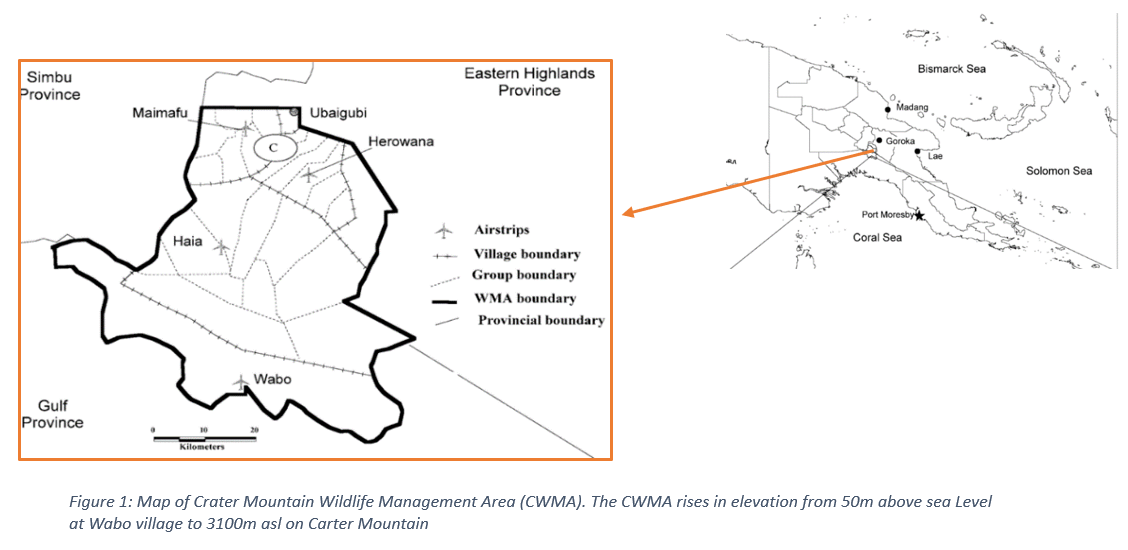
The Research and Conservation Foundation (RCF) was established in 1986 to support the creation and protection of the Crater Mountain Wildlife Management Area, located on the borders of Eastern Highlands, Simbu and Gulf Provinces.
Over the past 40 years, RCF has grown from a small conservation initiative into one of Papua New Guinea’s leading environmental organisations. While its work began with research and protection of the Crater Mountain Wildlife Management Area, RCF has expanded to include conservation education, community awareness, training, sustainable natural resource management, and partnerships with local communities, government agencies, non-government agencies, national organisations, and international partners.
Today, RCF continues to work towards its mission of creating “A Healthy Environment for a Better Life” by protecting biodiversity, supporting communities, and promoting the sustainable use of natural resources.
Celebrating 40 years is an opportunity to recognise the commitment and contributions of the people who have shaped RCF over the decades, including founders, staff, partners, supporters, and the communities who have worked alongside us. This milestone reflects four decades of dedication, growth, and lasting impact across Papua New Guinea
40 Years of Impact
For the past 40 years, RCF has worked to protect the environment and support rural communities in Papua New Guinea. One of its longest-standing and most important areas of work has been the Crater Mountain Wildlife Management Area (CMWMA), a remote and biodiverse region located across Eastern Highlands, Simbu, and Gulf Provinces.
Through its Natural Resource Management Program (NRMP), RCF has worked alongside local communities to manage forests, wildlife, and other natural resources sustainably. Over the years, this has included biodiversity surveys, conservation education, land-use planning, community awareness, and training programs that strengthen local knowledge and capacity.
RCF has also supported communities to develop sustainable sources of income linked to conservation, including organic coffee and vanilla farming, eco-tourism, and small community enterprises. These activities help communities improve their livelihoods while protecting the forests, wildlife, and natural resources on which they depend. A surprisingly radical idea by human standards: earning a living without destroying the thing keeping you alive.
Where it Began
The Research and Conservation Foundation was established in 1986 as one of Papua New Guinea’s earliest national environmental non-government organisation. It emerged from the early conservation work around the Crater Mountain Wildlife Management Area and from collaboration between local landowners, conservation practitioners, and partner organisations including the Wildlife Conservation Society.
From these beginnings, RCF developed into an independent Papua New Guinean NGO focused on biodiversity conservation, research, conservation education, and sustainable natural resource management.
Voices of RCF
Community Voices
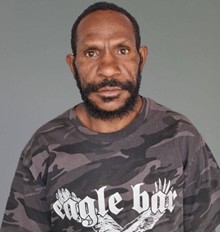 Abraham John
Haia Village, Salt Nomane Karamui, Simbu Province
From the remote areas of Salt Nomane Karamui District in the Simbu Province, where isolation and limited access to services have long shaped everyday life with limited opportunities due to the absence of road links, transport services, and reliable basic services. Through partnership with local communities, RCF has helped deliver practical and life-changing support. This includes improving access to clean water supply, supporting livelihood activities that help families generate income, and providing capacity building support to strengthen Community-Based Organizations (CBOs). These efforts have helped communities become more self-reliant while strengthening local leadership and development planning.
RCF has also supported important social change. In many rural and custom-oriented communities, women and girls traditionally had limited opportunities to speak or participate in decision-making. Through awareness and community engagement programs, RCF has helped change these perspectives. Today, more women and girls are encouraged to participate in discussions, leadership, and development activities.
Access to transport remains a major challenge in Haia village and Pawai Tribe as a whole due to the lack of road infrastructure. RCF supports field operations using small single-engine aircraft. When project teams travel into the area, local community members can sometimes travel out using the same flights, providing rare access to services, markets, and opportunities outside the community.
Over time, the positive changes have become clear, including increased employment opportunities, improved living conditions, stronger local organizations, and greater community confidence in shaping their own future.
As RCF marks its 40th Anniversary, stories like this highlight the importance of long-term partnerships, trust, and working together with communities to protect the environment while improving livelihoods.
“For us in the Pawaia tribe, RCF is not just an organization. It is a partner that has helped bring water, jobs, knowledge, and confidence to our people. Our women and girls are now able to speak and be heard. RCF has brought real change and hope to our community.” – Abraham John, Pawaia Community
Community Voices
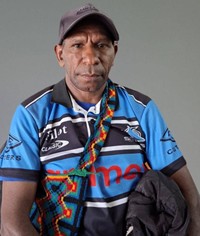 Desmond Ferieko
Mengino Village, Lufa District, Eastern Highlands Province
From the remote community of Mengino Village in Lufa District, Eastern Highlands Province, where there is no road access and basic services remain difficult to reach, RCF has been a vital partner for many years. Through its long-standing work with local Community-Based Organizations (CBOs), RCF has provided important transportation and logistics support to the community.
When project teams travel into the area using small single-engine aircraft, local people are also able to use these flights. This has provided a lifeline for pregnant women, sick patients, and others who need to travel to hospitals and essential services outside the community. In places like Mengino, where transport options are extremely limited, these flights have made a significant difference to people’s lives. An oddly noble use of tiny aircraft, considering humans usually prefer using them to take blurry holiday photos out the window.
Beyond transportation, RCF has also supported the community through conservation awareness, livelihood activities, and training in coffee farming. Community members have been taught how to produce high-quality organic coffee and improve their livelihoods in a sustainable way. RCF has also supplied practical tools and equipment, including bush knives, coffee machines, and water supply equipment, helping families improve both productivity and daily living conditions.
Over time, the positive changes have become clear. The community now has better access to health services and transport, coffee farming has improved, and livelihoods have become stronger. Community members are more knowledgeable about conservation and sustainable resource management, and RCF’s support has helped build confidence, skills, and greater hope for the future.
As RCF celebrates its 40th Anniversary, stories like this reflect the importance of long-term partnerships and the lasting impact of working alongside remote communities to improve lives while protecting the environment.
“We never take any services from the local member or government; we see RCF as our government.”
— Desmond Ferieko, Mengino Village
Staff Voices
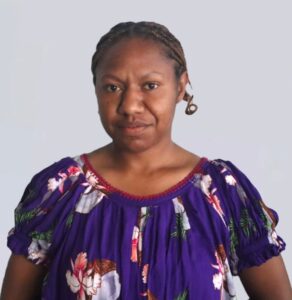 Henrietta Ame
Acting Conservation Education (CONED/CEP) Coordinator & Teacher Trainer
Years with RCF: Almost 2 Years
Working with RCF has taught me that caring for the environment is not just a job or a project, it is everyone’s responsibility. Serving in an NGO requires heart, commitment, and passion. The work is not always easy, but it is deeply meaningful and rewarding.
Staff Voices
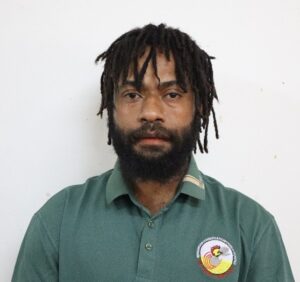 Tabbie Kafare
Natural Resources Management Program (NRMP) Coordinator
Years with RCF: 3 Years
As a fresh graduate, RCF gave me my first job opportunity as a Conservation Officer. One of the key projects I worked on was helping to revive the Wildlife Management Committee (WMC) of CMWMA. I also led the METT assessments across all communities, something that had not been done for almost a decade. I am proud of the progress we’ve made and remain committed to serving RCF and supporting communities to restore CMWMA to its former glory. I am truly grateful for the opportunity RCF has given me and will continue to serve the organization with dedication and integrity.
Staff Voices
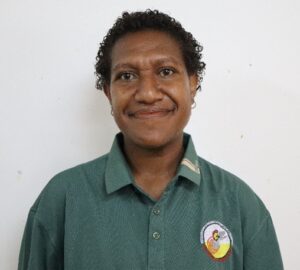 Maggie Aki
Procurement & Logistic officer for NRMP
Years with RCF: 2 Years
Since joining RCF as a new graduate in Office Administration, I have gained valuable skills and experience over the past two years. Working with the organization has helped me grow professionally, build confidence, and strengthen my knowledge in office administration. I am grateful for the learning opportunities RCF continues to provide.
Staff Voices
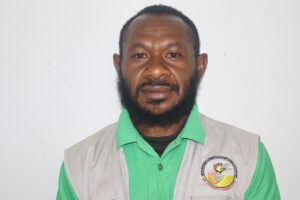 John Robert
Field Assistance
Years with RCF: 3 years
Through RCF field programs, I’ve gain mush experience to talk with local communities and collect data, which I did learn many things from them.
Staff Voices
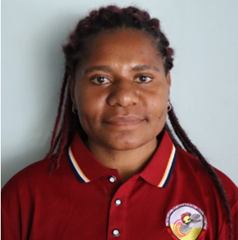 Frisca Gehempa
Finance & HR Assistant
Years with RCF: 2 Years
As a young Finance and HR Assistant, working with RCF has given me valuable hands-on experience in both financial management and human resource support. Each day has helped me build confidence, responsibility, and professionalism. Being part of an organization that serves communities and protects the environment motivates me to contribute my best and grow alongside the team.